Choosing a roofing contractor on Long Island is not just about finding someone who can put shingles on a house. Your roof protects the structure, insulation, electrical systems, interior finishes, and everything your family keeps inside. When it is time for roof repair, replacement, installation, or inspection, the contractor you choose should be able to explain the work clearly and stand behind the process.
A strong roofing contractor will not pressure you into a fast decision. They will inspect the roof, identify what is failing, explain your options, and provide a scope that matches the condition of your home. Use the criteria below to compare companies with confidence before you sign a contract.
Start with licensing and insurance questions
Before comparing materials or timelines, confirm that the contractor is properly set up to work on your home. Ask for current licensing information, proof of insurance, and details about who will be performing the work. A legitimate contractor should be comfortable answering these questions.
You do not need to know every rule that applies to roofing work. You do need to ask direct questions. What license applies to this project. What insurance coverage is in place. Are employees or subcontractors used. Who supervises the job. If the answer is vague, that is a warning sign.
This matters because roofing work involves ladders, tear off debris, decking repairs, ventilation components, flashing, and weather exposure. If something goes wrong, you want a contractor who has handled the administrative side of the business correctly.
Look for detailed roof inspection practices
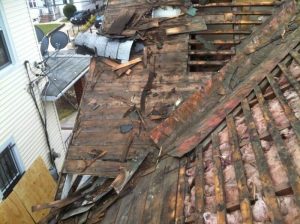
A dependable contractor should do more than glance at your shingles from the driveway. A proper roof inspection looks at visible roof surfaces, flashing areas, pipe collars, valleys, ventilation, gutters, and signs of leaks from inside when accessible. The goal is to understand why the roof is failing, not just confirm that it looks worn.
Ask what the inspection includes. If you have active leaks, ask how the contractor separates an emergency roof repair from a larger roof replacement recommendation. Sometimes a repair can address a localized issue. Other times, recurring leaks, widespread shingle failure, soft decking, or poor ventilation may point to a bigger problem.
Good contractors explain the difference. They should be able to show photos, identify affected areas, and describe how each issue will be corrected.
Compare the full roofing scope, not just the final number
Two roofing estimates can look similar at first glance and still include very different work. One may include removal of old roofing, replacement of damaged decking, new underlayment, flashing details, ridge ventilation, drip edge, cleanup, and disposal. Another may leave several of those items unclear.
When reviewing an estimate, look for these details:
- The type of roofing material being installed
- How many layers will be removed
- How damaged decking will be handled
- Which ventilation and flashing components are included
- What cleanup and disposal steps are part of the job
A clear scope protects you from surprises. It also makes it easier to compare one roofing contractor with another in a fair way.
Ask about manufacturer installation standards
Roofing products are designed to be installed as part of a complete system. Shingles, underlayment, starter courses, ventilation, flashing, and ridge components all have a role. A contractor should understand the manufacturer installation requirements for the products being used.
Ask which materials are recommended and why. Ask how ventilation will be evaluated. Ask whether the contractor follows written installation instructions for the selected roofing system. You are not looking for a sales pitch. You are looking for a contractor who can connect product choices to performance.
This is especially important when comparing roof replacement proposals. A lower proposal that skips important system components may cost more later if leaks, premature wear, or ventilation problems develop.
Choose a contractor with exterior remodeling experience
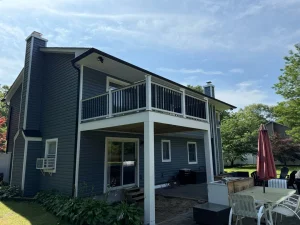
A roof connects to many other parts of the exterior. Siding, windows, doors, gutters, trim, fascia, soffits, and masonry features can all affect water management. A Long Island remodeling contractor that understands exterior remodeling can spot issues that a roof only installer might miss.
For example, a leak near a wall may involve flashing and siding installation details. Water near an entry may involve door installation, trim, or gutter discharge. Problems around dormers or roof penetrations may require careful coordination between roofing and siding work.
If your project includes seamless gutters, gutter guards, siding installation, window installation, or cultured stone veneers, ask whether one company can coordinate the full exterior scope. Coordination reduces gaps between trades and helps the finished work perform as one system.
Review reputation with a local mindset
Online reviews are useful, but read them for substance. Look for comments about communication, cleanliness, scheduling, problem solving, and how the company handled unexpected conditions. A short review saying the job was great is helpful. A detailed review that explains how the contractor communicated during the project is even more useful.
Whether you are comparing a Suffolk County remodeling contractor or a Nassau County remodeling contractor, ask for examples of similar residential remodeling work. You can also ask how the company handles weather delays, material delivery, property protection, and final walkthroughs.
A trustworthy contractor should not object to these questions. Clear communication before the job is often a good sign of how communication will go once the roof is open.
Understand warranties and what they actually cover
Roofing warranties can come from product manufacturers, the contractor, or both. Each warranty may cover different things. Some relate to materials. Others relate to workmanship. The key is to ask for the warranty terms in writing and understand what is included.
Ask these questions before work begins:
- What product warranty applies to the roofing materials
- What workmanship coverage does the contractor provide
- What actions could void coverage
- Who should be contacted if a problem appears
Avoid relying on verbal promises. A professional contractor should be able to explain coverage in plain language and include the relevant details with your paperwork.
Make sure the company can handle your broader project plans
Many homeowners replace a roof as part of a larger improvement plan. You may be planning exterior remodeling now and interior remodeling later. You may be considering room additions, custom decks, new construction work, bathroom remodeling, or kitchen remodeling in the future.
Choosing a contractor with broad remodeling knowledge can make planning easier. Roofing affects attic ventilation, insulation performance, gutter layout, exterior trim, and sometimes interior repairs after leaks. If your contractor understands both exterior and interior conditions, you can get more practical guidance.
This does not mean every project needs one company to do everything. It means the contractor should understand how the roof fits into the whole home.
Watch for red flags before signing
Some warning signs are easy to overlook when you want the problem fixed quickly. Be cautious if a contractor will not inspect the roof in detail, avoids insurance questions, gives only a vague scope, pressures you to decide immediately, or cannot explain the materials being used.
Also be careful with estimates that are dramatically lower without a clear reason. A lower number may omit decking repairs, flashing work, ventilation updates, disposal, or other important items. Ask what is not included. That question often reveals more than the price itself.
The right contractor makes the next step clear
A good roofing decision should leave you feeling informed, not confused. You should know what is wrong with the roof, what work is recommended, what materials will be used, how the property will be protected, and who to contact during the project.
All Pro helps homeowners evaluate roofing and remodeling needs with a straightforward process. If you are ready to compare options, start with a professional roof inspection and a clear conversation about the condition of your home.
Take the Next Step
Ready to compare your options with a dependable contractor? Contact All Pro to schedule a roof inspection and discuss the right plan for your home.